
traces OF
plants

Lissy & Ellen
- 05.
shift in direction
After careful reflection, we chose to move our focus away from interpreting the specific language of flowers and instead explore what plants, more broadly, might be communicating to us.
New research question:
How can we develop a system that encourages interaction and communication between humans and plants in the household?
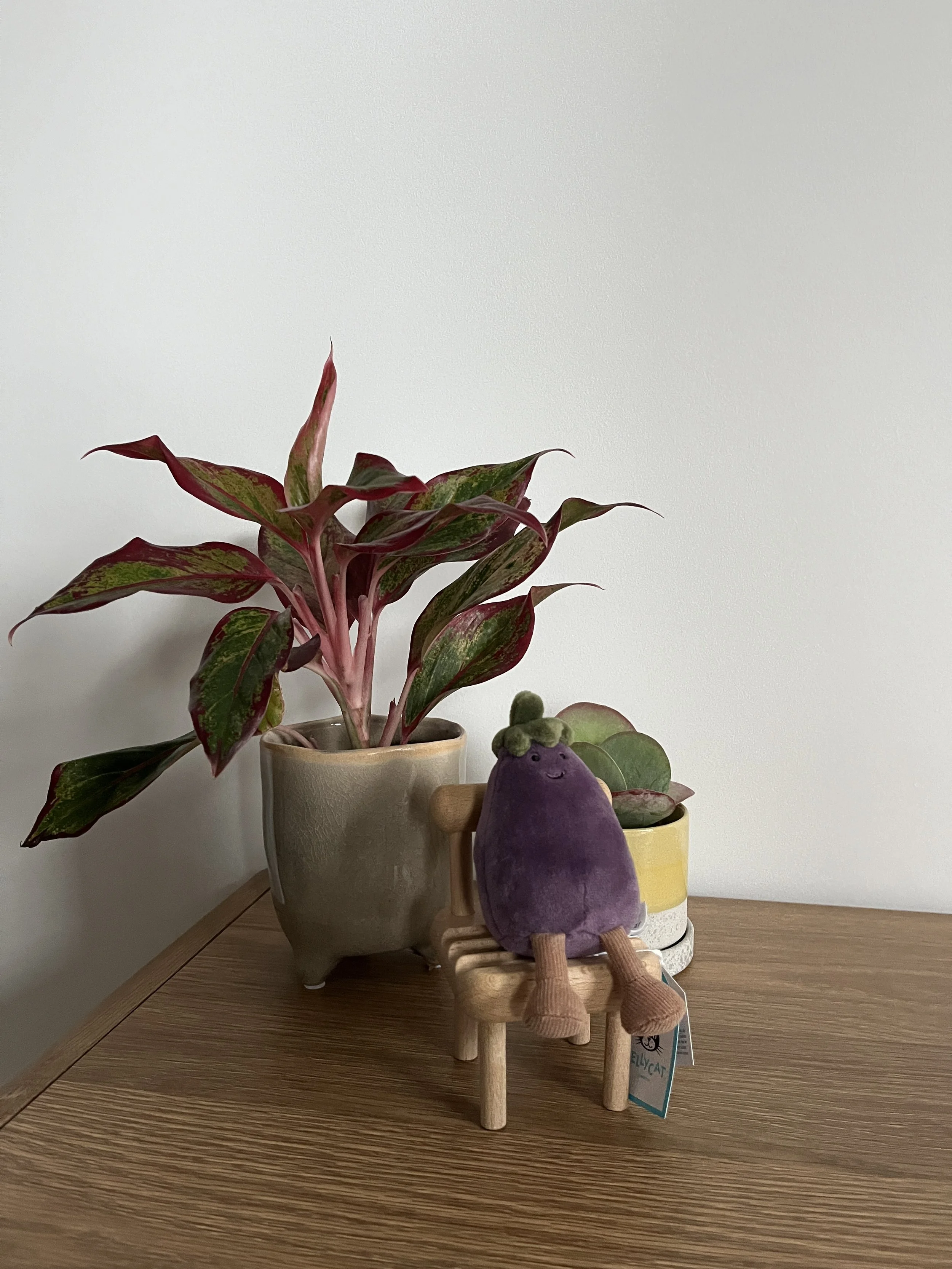
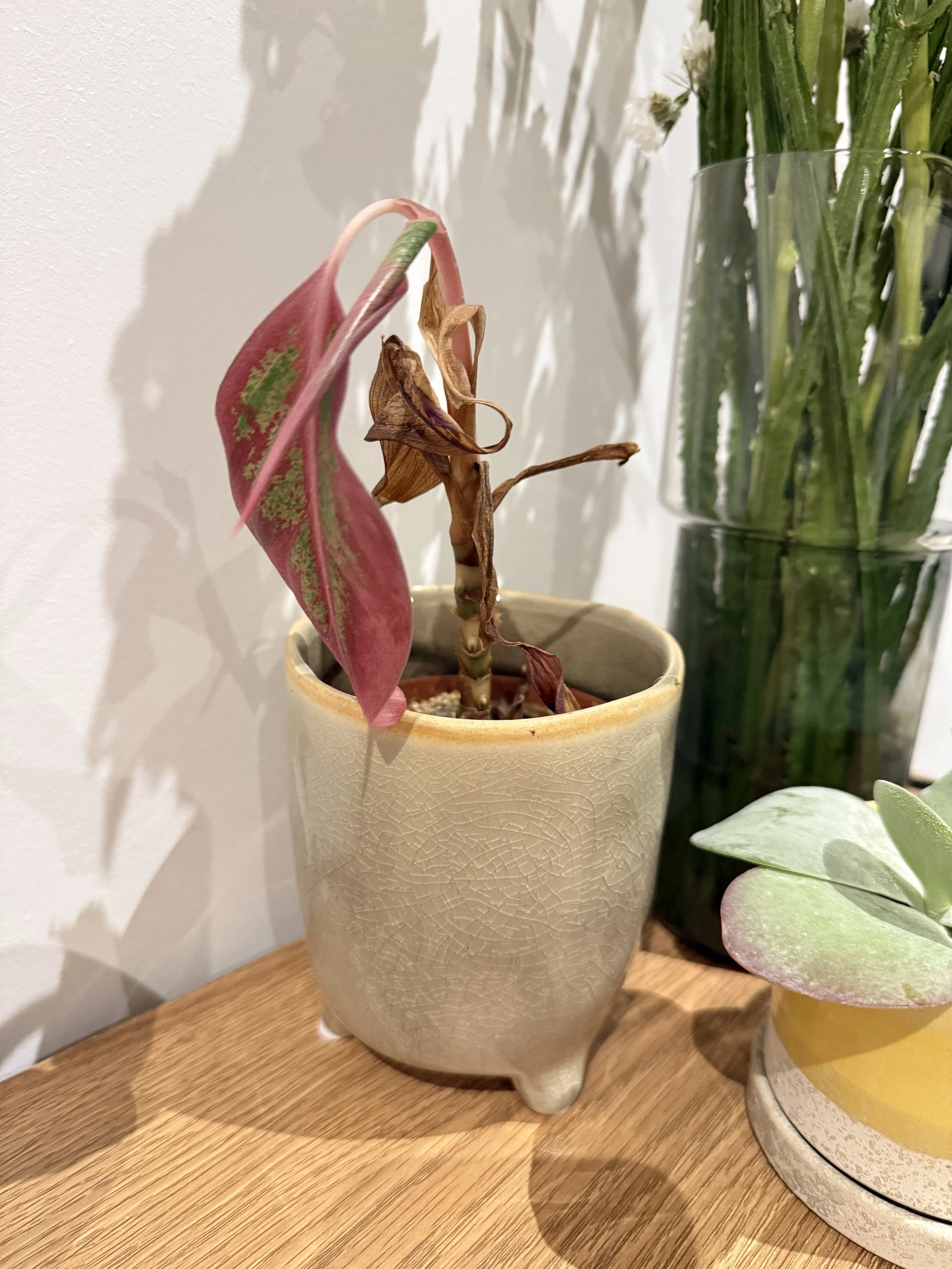
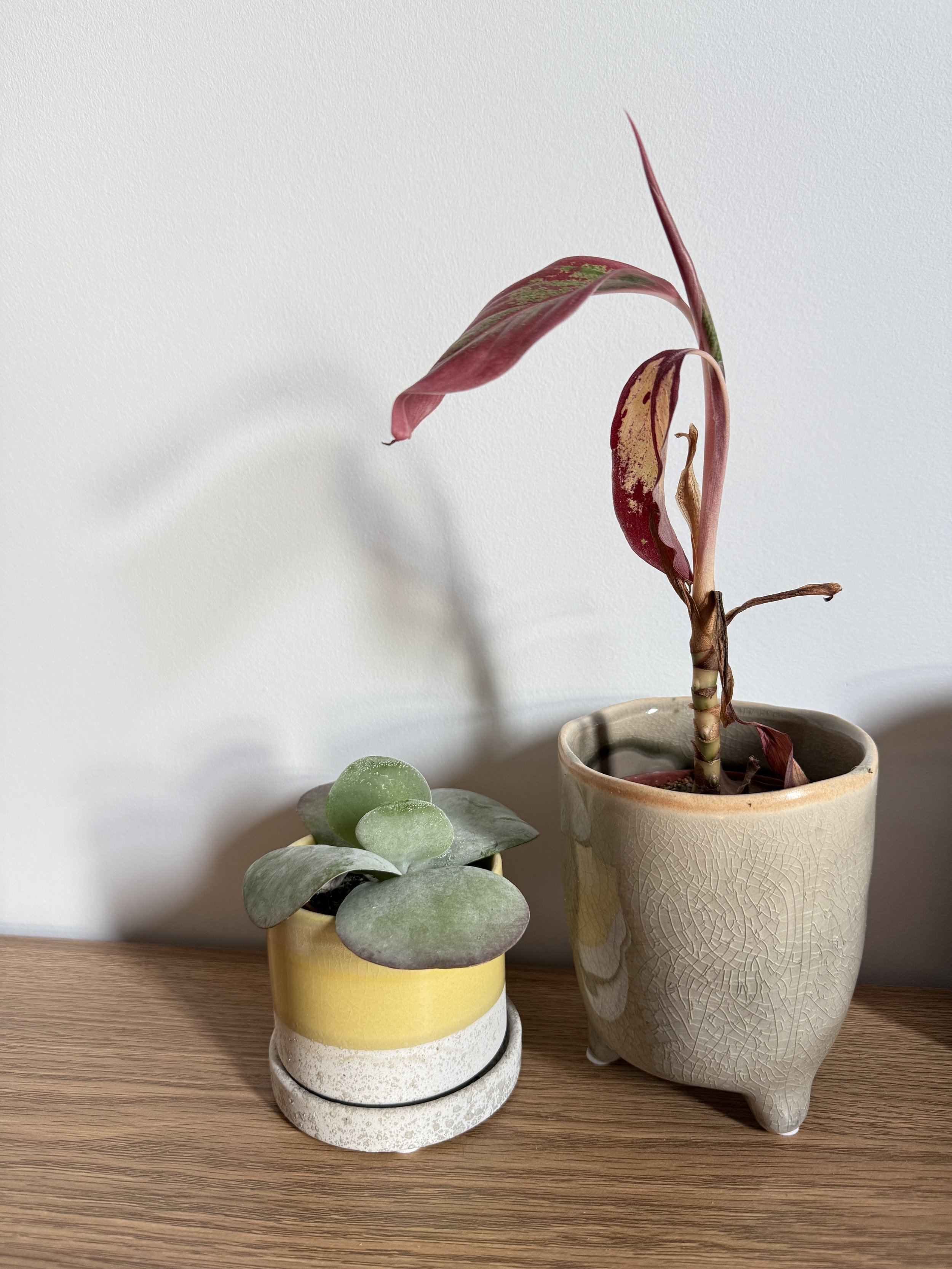
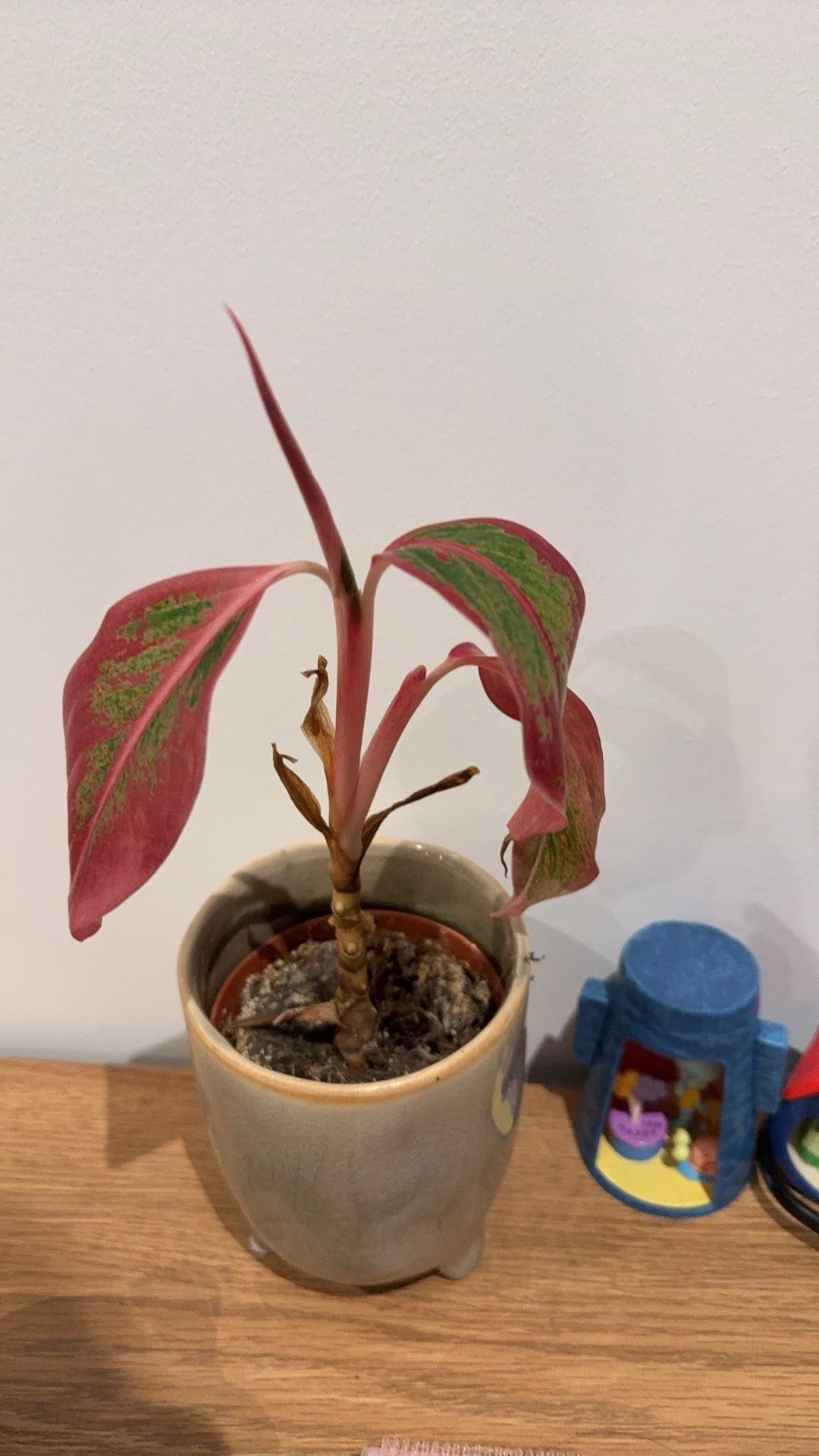
This new direction arose from Lissy’s experience of struggling to care for a plant, which resonates with my own experience as a child. Despite trying various methods, the plant still died, and the reason remained unknown. This led us to consider the possibility of a system that enables houseplants to communicate their needs directly to their owners. Such a system could guide timely and appropriate care, transforming the uncertainty of plant maintenance into a more intuitive and responsive interaction.
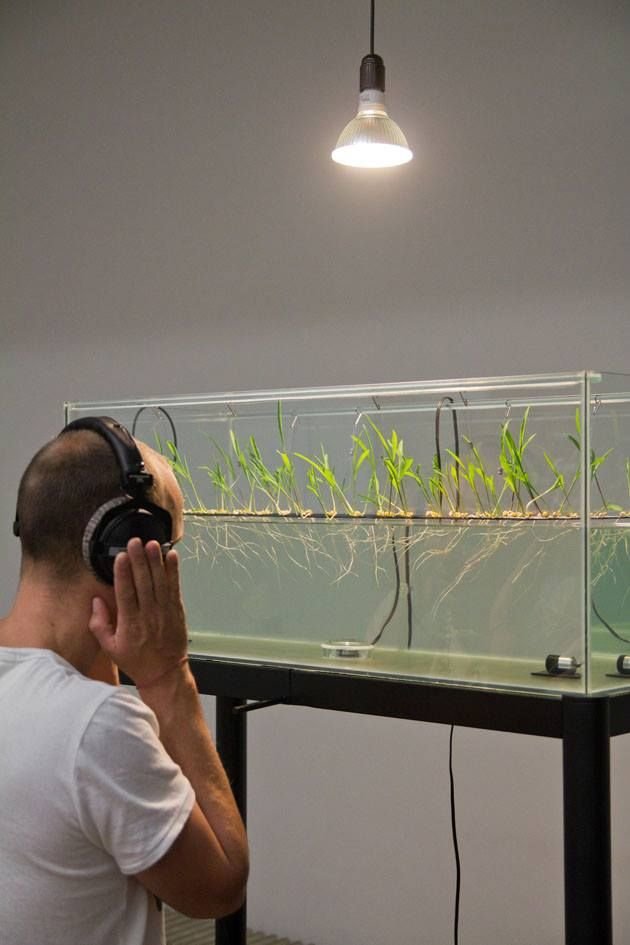
Plantagotchi
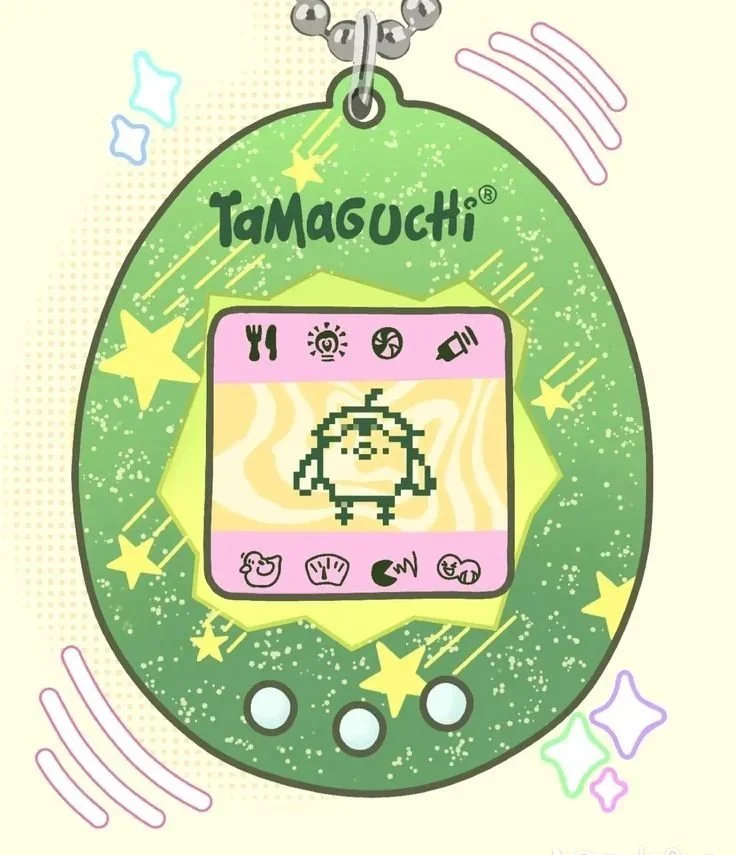
For household pets like cats and dogs, their needs are often easier to understand because their communication is more direct. This idea of communicative pets naturally brings virtual pets to mind. Tamagotchis, for example, have been popular for decades by simulating pet ownership through digital displays that clearly indicate needs such as hunger, happiness, health, and bathroom breaks.
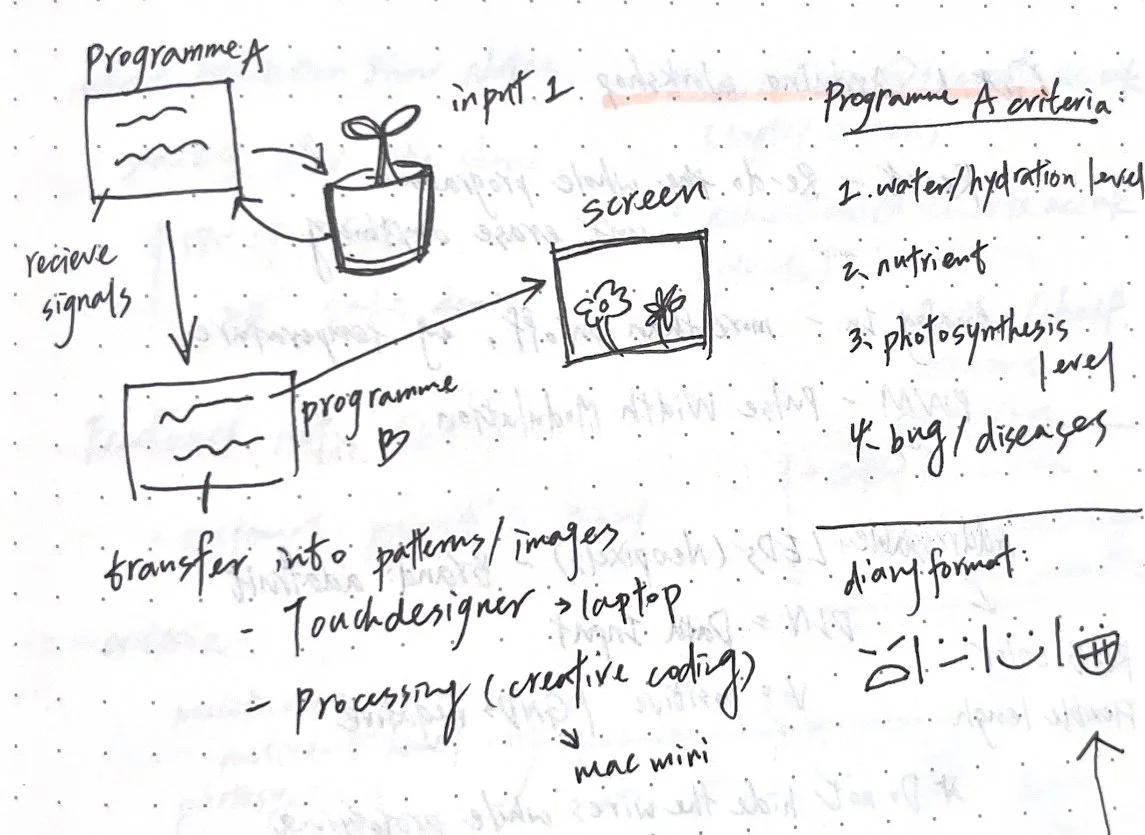
Inspired by this concept, we explored giving houseplants “a voice”—a way for them to express their needs, enabling owners to care for them more effectively. This raises the question: if plants could talk, what would they want to communicate? We brainstormed potential needs that plants might convey, including hydration, nutrients, disease or pest issues, and interaction.
TOOLS & technology
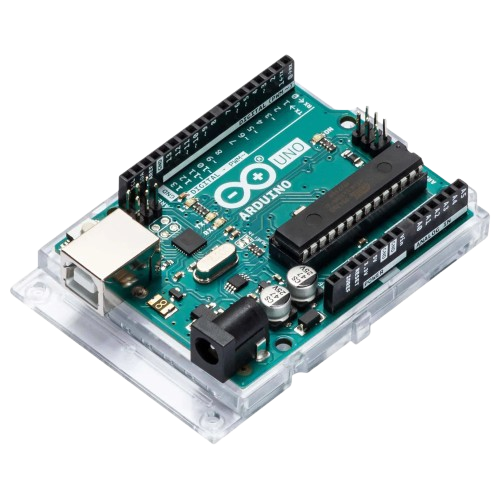
In this direction, we began exploring available resources. We sketched possible system structures and consulted with the Creative Technology Lab. To bring our concept to life, we believe Arduino could be the tool to collect data. Its versatility, combined with a wide range of sensors, actuators, and programmable components, offers numerous possibilities for creating responsive interactions, such as simulating how plants might “communicate” or react to their environment. By integrating Arduino, we aim to translate plants’ bioelectrical signals into a form that allows their physiological states and needs to be more easily understood by humans.
start building
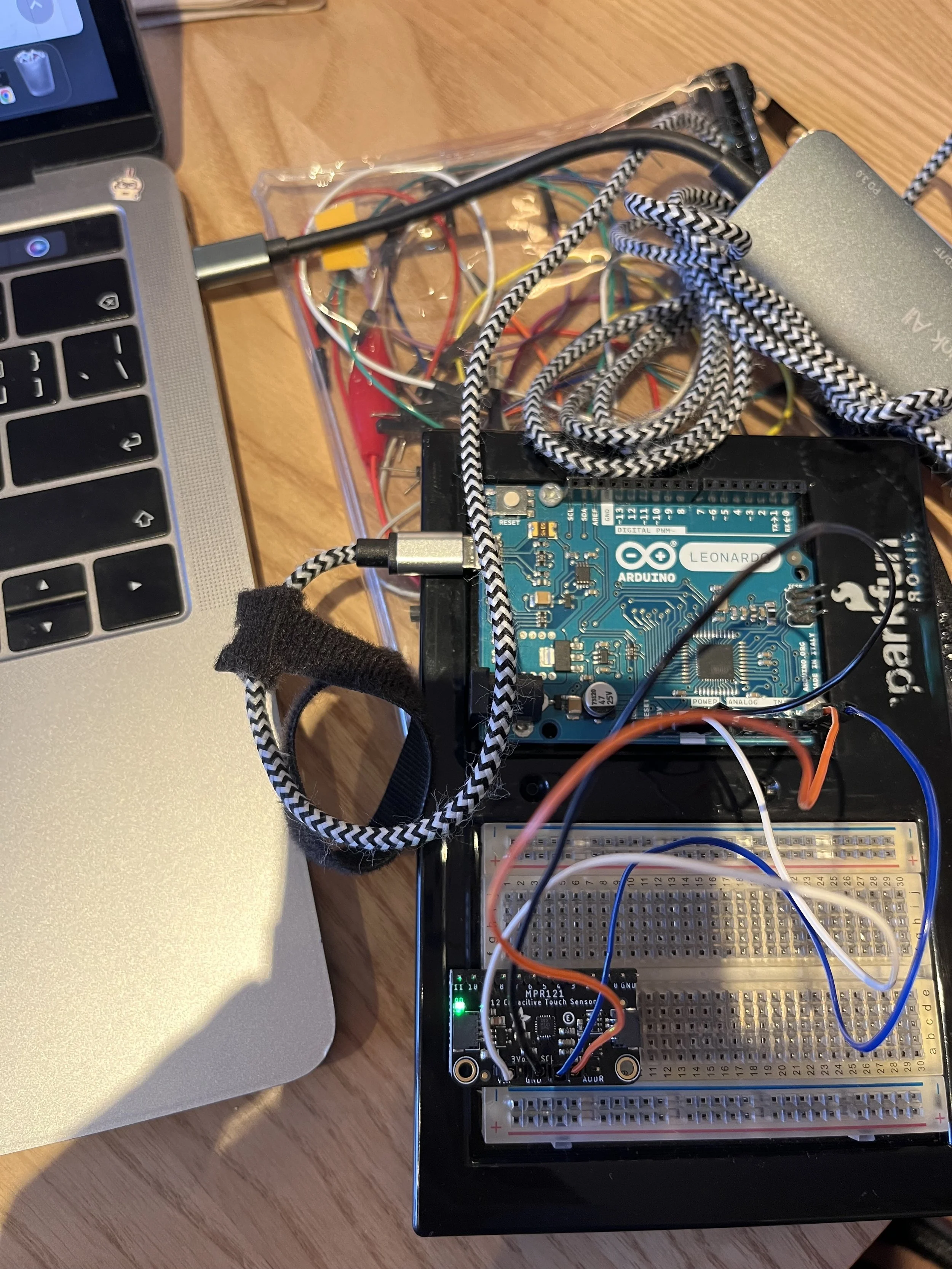
We began by attending Arduino workshops and experimenting with the hardware. After consulting with Joanne from the Creative Technology Lab and explaining our project concept, she provided us with a touch sensor to start our initial experiments.


weeklyreview.
After redefining our direction, we gained a clearer framework and focus for development. We believe this new approach can encourage people to interact and engage more meaningfully with plants.